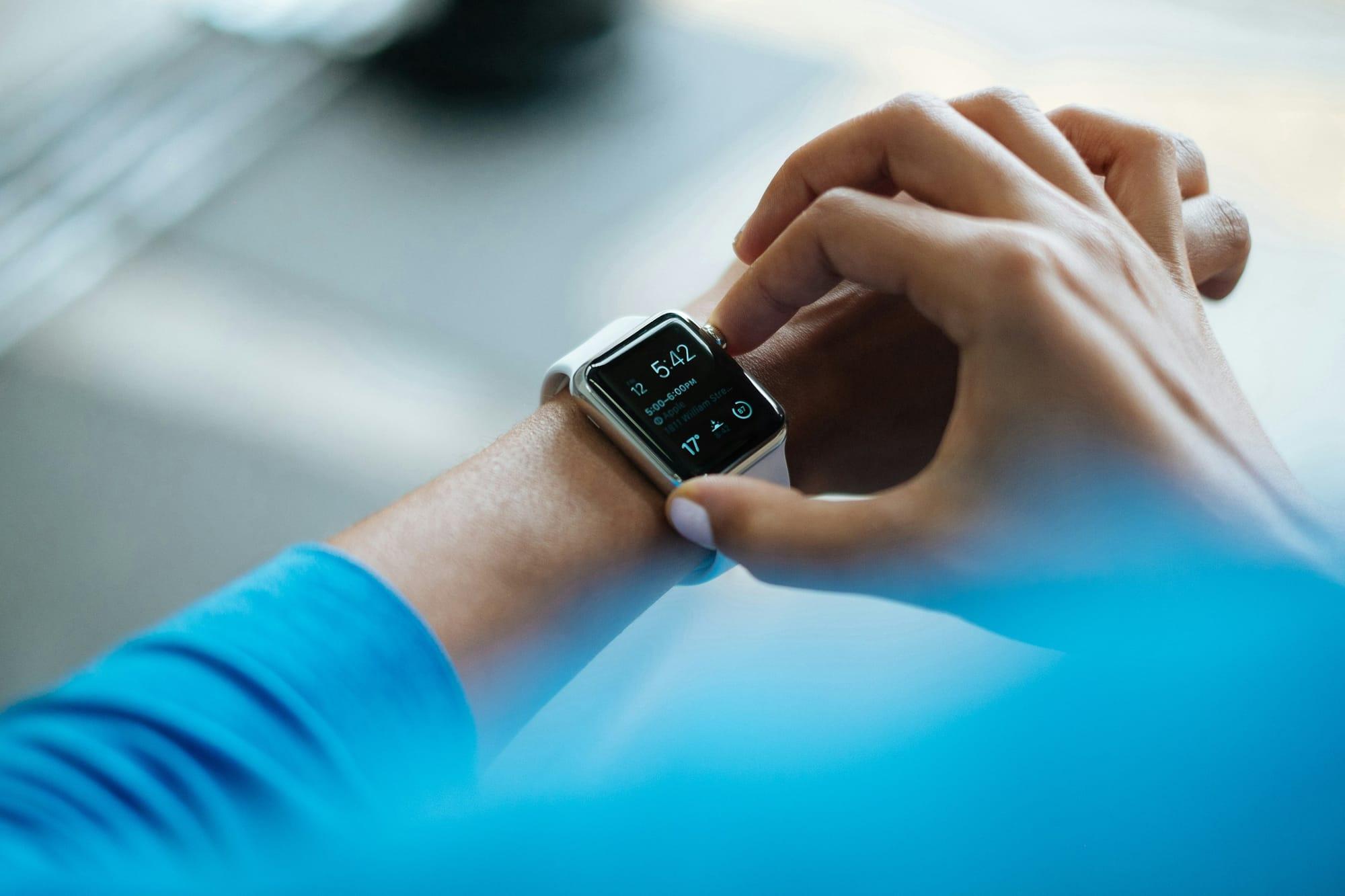
Modern wearables are very good at one thing: producing numbers. Heart rate, HRV, steps, sleep score, readiness score — a constant stream, all day, every day. What they're much less good at is telling you which of those numbers, on any given morning, actually deserves your attention.
More numbers isn't the same as more clarity
The usual result is one of two failure modes. Either everything gets treated as equally important, and the anxiety of constant monitoring outweighs any benefit — or, more commonly, the numbers become background noise that gets glanced at and ignored, which defeats the point of wearing the thing at all.
A number without context isn't information. It's just another thing demanding your attention.
What 'guesswork' actually means here
Most wearable apps show you a trend line against your own recent history — today's HRV against last week's average, say. That's useful, but it's also incomplete: a genuinely concerning dip can look statistically identical to ordinary day-to-day noise, unless you also know what else is going on. A slightly elevated resting heart rate means something different during a mild cold than it does with no other symptoms at all.
How Ultrium reads it differently
Ultrium treats wearable data as one more input to reconcile, not a dashboard to display on its own. A dip in HRV gets checked against your recent labs, your reported symptoms, and your own baseline — and Ultrium only raises it if the pattern is actually worth raising, rather than flagging every fluctuation a device happens to notice.
And a wearable is genuinely optional here — Ultrium works without one. A device adds a useful stream of data to the picture; it was never meant to be required to start.